Menu

Trusted Heroes For Every Task

Trusted Heroes For Every Task
Trusted Heroes For Every Task
Water damage restoration costs American homeowners billions of dollars every year, and the cruel irony is that most of that damage started as a small, fixable leak that went undetected for too long. The internet is full of tutorials showing you how to check for leaks yourself, and some of these methods work for catching obvious problems. But those tutorials don't mention that the most destructive leaks aren't usually the ones dripping into a cabinet. They're hidden inside walls, beneath foundations, and in places you'd never think to look. Service Hero can help. Homeowners can do everything the DIY guides recommend and find nothing, only to discover months later that a slab leak or pinhole pipe failure was causing damage the entire time. Some leaks require thermal imaging, acoustic detection, and pressure testing that no YouTube video can replicate. We're going to break down exactly what DIY methods can reliably catch, where their limitations become dangerous, and how to determine when calling a professional is the only responsible option.

We had a main line drain clog under the house. Russell was our technician and approached the problem from outside the house, working retrograde from a trap in the front yard. I was skeptical but it worked when my efforts with a cable inside the house had failed. He was very professional and pleasant to deal with. We asked him to install a cleanout closer to the house for future use and we were very satisfied with the work.
Tyler is the best! He came to our parent's house, knew exactly what the problem was, and explained it to us without the typical guesswork. I'd recommend him any time you need a good plumber.
Overall, It was a very good experience with the Service Hero team. I was able to schedule an appointment late in the night. They are truly 24x7. The help desk team was very professional, courteous, and friendly. All responses were timely. The field technician showed up on time and diagnosed the issue accurately. Kudos to the Service Hero team!
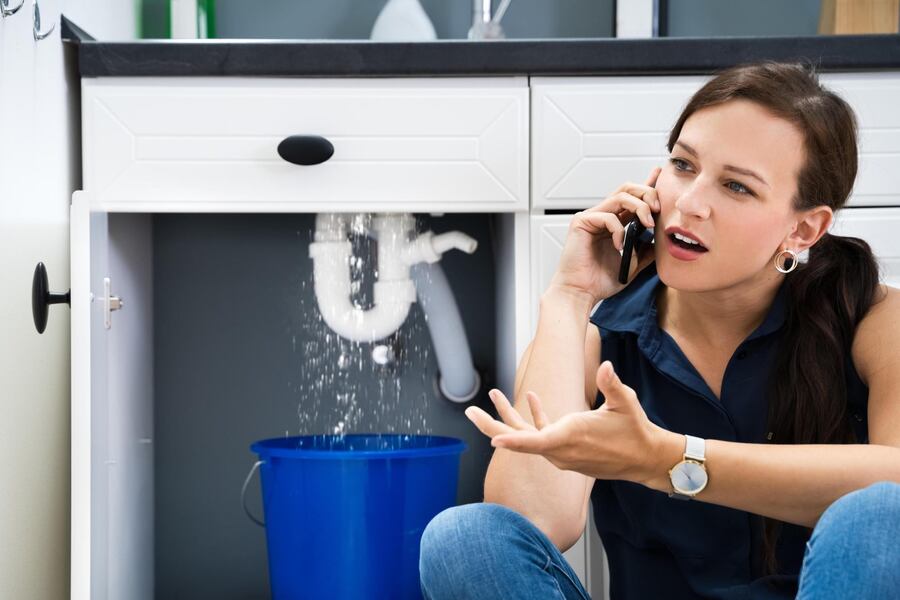
DIY leak detection works best for surface-level problems that produce visible or audible signs. The toilet dye test, for example, catches faulty flappers with near-perfect accuracy. You drop food coloring into the tank, wait fifteen minutes, and check if the color has seeped into the bowl. If it has, you've found a leak that wastes up to 200 gallons per day. Meter tests also deliver reliable results for confirming whether a leak exists somewhere in your system. Turn off every water source in your home, record your meter reading, wait two hours without using any water, and check again. Any movement indicates water loss. Under-sink inspections catch supply line failures, corroded shutoff valves, and drain connection leaks before they rot out your cabinet floor. These methods genuinely work. The problem is that they only catch leaks that announce themselves through visible dripping, pooling water, or measurable flow through your meter. A pinhole leak inside a wall might release water so slowly that your meter barely registers the loss, yet that same leak can saturate drywall and breed mold colonies within weeks.
The worst leaks occur in locations where water can spread for months without producing any evidence. Pipes running through concrete slabs can develop fractures that seep water into the soil beneath your foundation. You won't see pooling or hear dripping. Your first clue might be a warm spot on your floor from a hot water line leak, or it might be foundation cracks that appear six months after the damage began. Leaks behind shower walls follow a similar pattern. Water escapes at tile grout joints or around fixtures, travels down the wall cavity, and pools on the subfloor where it destroys structural framing. Homeowners who rely exclusively on visual inspection miss these problems because the water never reaches a visible surface. A plumber equipped with the right diagnostic tools can identify these hidden failures before they require foundation repairs or mold remediation services that cost five figures.
Tailored services to meet your specific needs and budget, ensuring optimal performance and comfort.
Professional leak detection relies on equipment that reveals water presence through indirect measurement rather than visual observation. Thermal imaging cameras display temperature variations across surfaces, and since water changes the thermal signature of building materials, technicians can identify moisture accumulation inside walls without cutting any holes. Acoustic listening devices amplify the sound of water escaping under pressure, which allows a trained plumber to pinpoint leak locations within inches, even when pipes run beneath concrete. Electronic leak detectors measure changes in electrical conductivity caused by moisture infiltration. Pressure testing equipment isolates sections of your plumbing system and measures whether each section holds pressure or loses it. A plumbing repair service combines these technologies to create a complete diagnostic picture that no combination of DIY methods can match. The food coloring test tells you whether your toilet flapper leaks. Thermal imaging tells you whether the pipe inside your bathroom wall has been seeping water into the stud cavity for the past three months.
Undetected leaks initiate a cascade of secondary damage that multiplies repair costs exponentially. A supply line leak inside a wall can release one gallon per hour. That's 24 gallons daily, 720 gallons monthly, and over 4,300 gallons in six months. The water saturates insulation, soaks into drywall, and creates ideal conditions for mold growth. Mold colonies can establish within 48 hours of sustained moisture exposure and spread throughout a wall cavity within weeks. By the six-month mark, you're dealing with drywall removal, insulation replacement, mold remediation, and structural repairs if the water reached framing lumber. Insurance claims for water damage that developed this way face heavy scrutiny, and policies that cover sudden failures may deny claims for gradual leaks that the homeowner should have detected. One professional inspection costs a fraction of what you'll spend on emergency repairs after prolonged water exposure. A qualified plumbing repair service identifies problems at the pipe repair stage before they become whole-room renovation projects.
DIY leak detection methods deserve a place in your home maintenance routine. Check your toilets, inspect under your sinks, and monitor your water meter. These habits catch obvious problems, but recognize the limits of what visual inspection can accomplish. The leaks that cause catastrophic damage hide in places you can't see and produce symptoms you won't detect without specialized equipment. When your water bill rises without explanation, when you notice musty odors without a visible source, or when you want confirmation that your plumbing system is still sound, professional leak detection in West Covina, CA provides the answers you need. Service Hero combines advanced diagnostic technology with experienced technicians who know exactly where hidden leaks develop and how to find them before they destroy your home. Contact us to schedule an inspection and protect your property.
Senior & Military Discount. All seniors and active or retired military officers receive…
Cannot be combined with any other offer. PrintWith proper access, up to 75 ft. Excludes Commercial. Yard drains, roof…
Cannot be combined with any other offer. PrintFurnace or AC Safety Inspection. Per Unit Reg. $229 & Up -…
Cannot be combined with any other offer. PrintGet $500 OFF Today for AC Replacement & Installation
Cannot be combined with any other offer. Print