Menu

Trusted Heroes For Every Task

Trusted Heroes For Every Task
Trusted Heroes For Every Task
We all know that hard water and water heaters do not get along. Hard water, which contains a high level of calcium and magnesium, is rough on all plumbing fixtures and appliances, but the water heater takes the biggest hit.

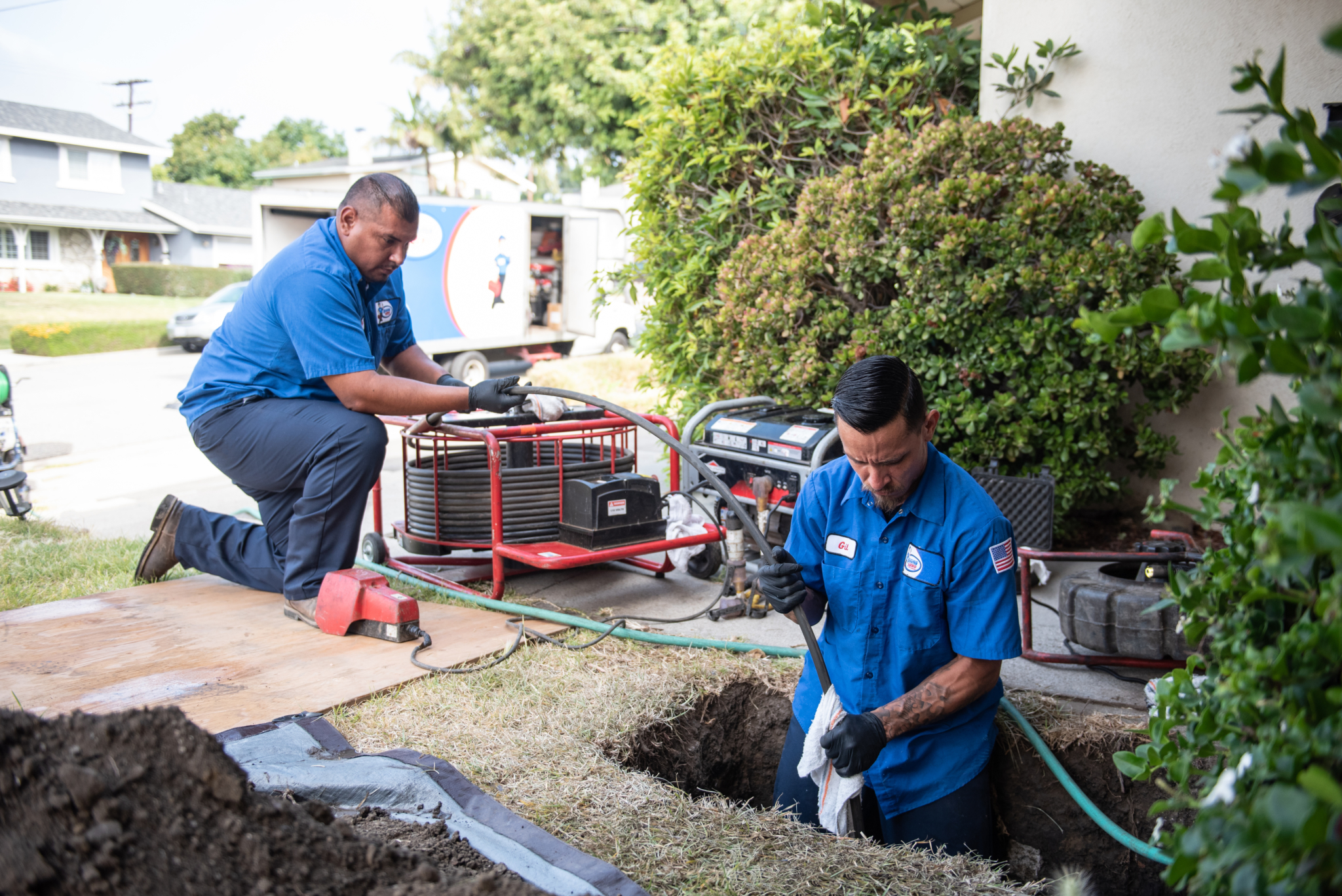
We had a main line drain clog under the house. Russell was our technician and approached the problem from outside the house, working retrograde from a trap in the front yard. I was skeptical but it worked when my efforts with a cable inside the house had failed. He was very professional and pleasant to deal with. We asked him to install a cleanout closer to the house for future use and we were very satisfied with the work.
Tyler is the best! He came to our parent's house, knew exactly what the problem was, and explained it to us without the typical guesswork. I'd recommend him any time you need a good plumber.
Overall, It was a very good experience with the Service Hero team. I was able to schedule an appointment late in the night. They are truly 24x7. The help desk team was very professional, courteous, and friendly. All responses were timely. The field technician showed up on time and diagnosed the issue accurately. Kudos to the Service Hero team!
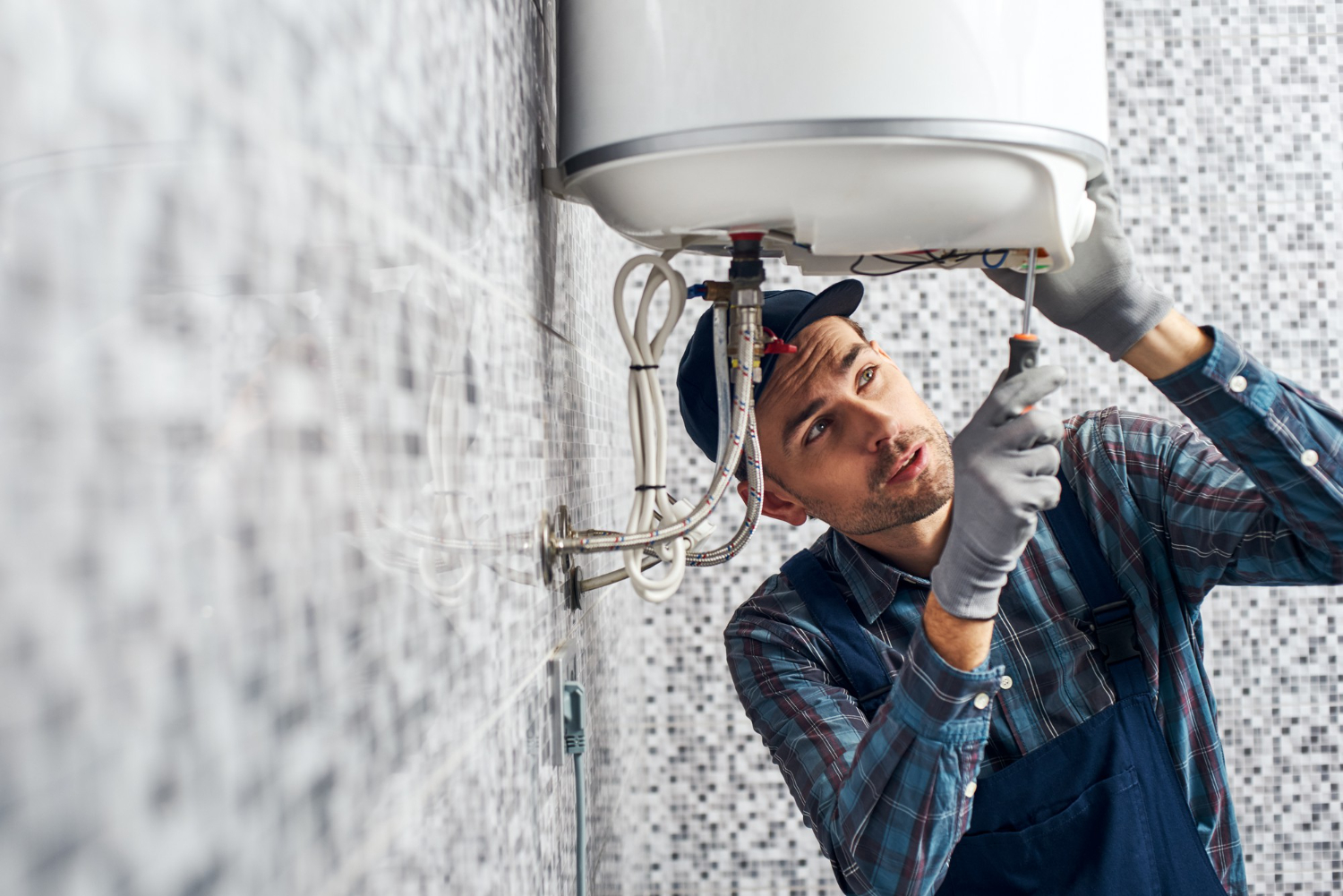
Hard water reduces heating efficiency, shortens the heater’s lifespan, and compromises water quality. The good news is that if you understand how hard water affects your water heater, you can make a few adjustments and take the right steps to protect the appliance. Read on as we look into the impact of hard water on water heaters.
Mineral deposits settling at the bottom of the tank can weaken the steel lining and accelerate corrosion. A corroded water heater tank doesn’t just impact the water quality; it is also more likely to leak. If you’re getting rusty, discolored water out of your hot water faucets, or the water has a metallic smell, you’re probably dealing with a corroded water heater tank. In severe cases, you may notice visible rust on the tank’s exterior. Reach out to a nearby plumber when you notice signs of a corroded water heater.
Tailored services to meet your specific needs and budget, ensuring optimal performance and comfort.
Ideally, a storage water heater needs to be flushed at least once a year to prevent mineral and sediment buildup at the bottom of the tank. However, if you have a hard water supply in your home, then you’ll have to flush the tank more frequently.
Hard water leaves limescale buildup at the bottom of a hot water tank, thereby creating a barrier between the heating element and the water inside the tank. The thick insulating layer forces the system to work harder and longer to heat water. This not only accelerates water heater failure, but it also increases heating bills. If you’ve noticed rumbling or popping noises coming from your water heater, it’s time to call a plumbing repair service to find the root cause of the problem and make fast repairs.
The scale from hard water insulates heating elements and coats components such as thermostats and valves. Since the appliance is forced to work extra hard to provide you with hot water, it’s more likely to fail prematurely. You’ll not only have to make frequent calls to a plumber but also get the water heater replaced prematurely, all thanks to hard water. Sediment buildup can shorten your water heater’s lifespan from 12 years to just 5-6 years.
The good news is that hard water damage can be minimized with proper maintenance and preventative measures.
Flushing your water heater once a year removes accumulated sediment before it hardens into a thick layer. In areas with extremely hard water, more frequent flushing may be necessary. This is important to keep your water heater operating efficiently and keep heating costs low.
A water softener removes calcium and magnesium from your water before it reaches your plumbing system. This is one of the most effective long-term solutions for protecting your water heater and other appliances. Call a local plumbing repair service to test your water and install an effective water softener.
The anode rod attracts corrosive elements inside the tank and helps prevent rust. Checking and replacing it every few years can extend the life of your system. However, if the tank is severely corroded, you’ll need to invest in a new water heater installation.
Routine inspections allow a plumber to catch early signs of sediment buildup, corrosion, or worn components before they become major problems.
If you’re already dealing with hard water damage in your home or want help with water heater installation, Service Hero can help. Our experienced plumbers in La Jolla, CA can help with water softener installation to provide you with softened water for drinking and household use. Call us now to schedule a water quality test, and let our plumbers help you soften your water.
Senior & Military Discount. All seniors and active or retired military officers receive…
Cannot be combined with any other offer. PrintWith proper access, up to 75 ft. Excludes Commercial. Yard drains, roof…
Cannot be combined with any other offer. PrintFurnace or AC Safety Inspection. Per Unit Reg. $229 & Up -…
Cannot be combined with any other offer. PrintGet $500 OFF Today for AC Replacement & Installation
Cannot be combined with any other offer. Print